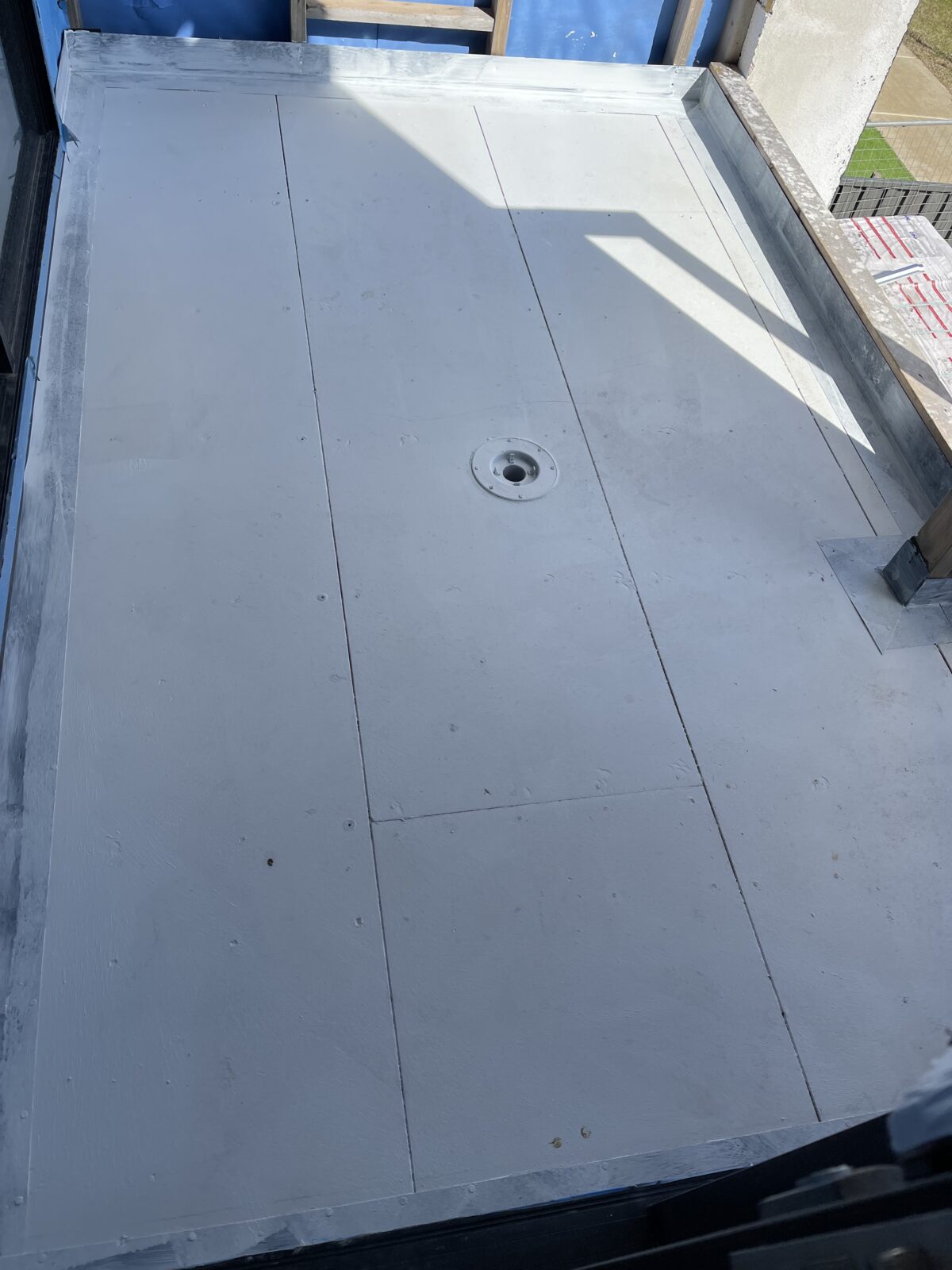
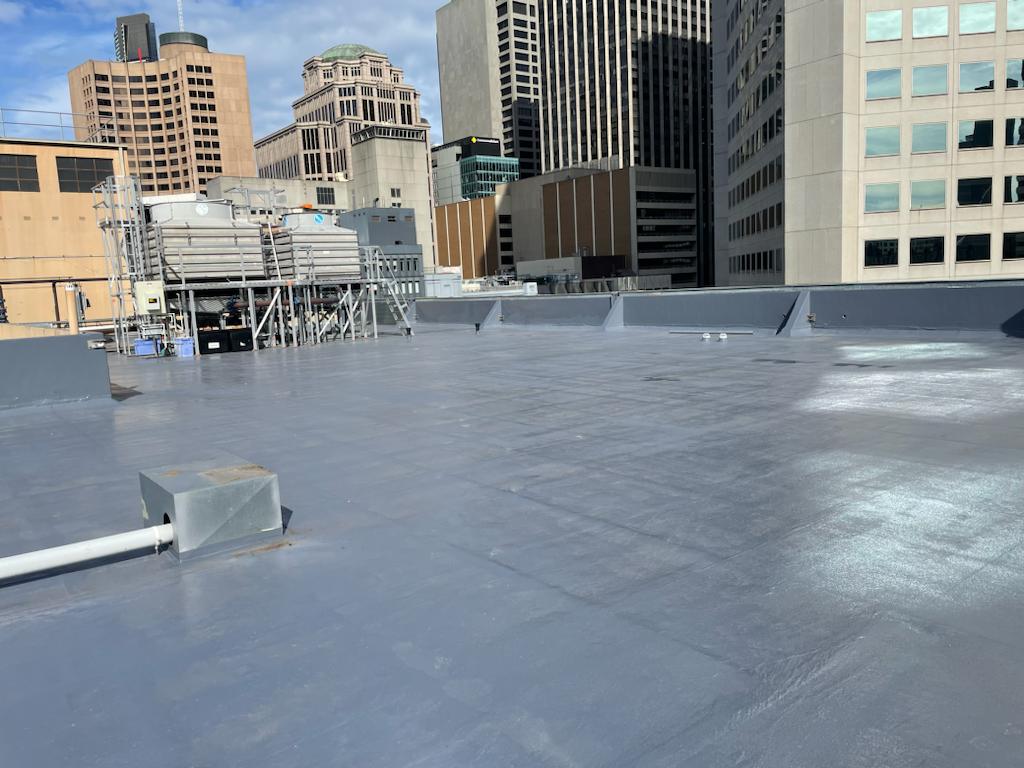
Rooftop waterproofing Melbourne properties requires a reliable waterproofing system that can withstand ongoing exposure to rain, temperature changes and other environmental conditions. Correct preparation, drainage and membrane installation are important for protecting the roof structure and areas below from water ingress.
Waterproofing problems on rooftops can develop around drainage outlets, penetrations, junctions, upstands and other vulnerable areas. If these areas are not correctly detailed or the existing waterproofing system deteriorates, moisture may enter the building and cause damage to ceilings, walls, substrates and internal finishes.
Hydrostop Waterproofing provides professional rooftop waterproofing for residential, commercial, renovation and remedial projects across Melbourne and surrounding areas. Our approach focuses on appropriate substrate preparation, careful detailing and waterproofing systems suited to the requirements of each project.
Why Is Rooftop Waterproofing Important?
Rooftops are among the most exposed areas of a building. Rainfall, changing temperatures and general weather conditions can place ongoing demands on the waterproofing system.
A properly installed rooftop waterproofing system helps prevent water from penetrating through the roof surface and into the building below. Particular attention is required around drainage points, penetrations, junctions, edges and transitions where waterproofing defects can contribute to water ingress.
If rooftop waterproofing begins to fail, moisture can affect substrates, ceilings, walls and other building components. In commercial properties, water ingress can also disrupt occupied areas and potentially damage internal finishes, equipment or stored materials.
Addressing rooftop waterproofing correctly during construction, renovation or remedial works can help reduce the risk of more extensive water-related damage later.
Australian Standards and Rooftop Waterproofing Requirements
Rooftop waterproofing in Australia may be subject to requirements under the National Construction Code (NCC) and relevant Australian Standards, depending on the building and roofing system.
For external above-ground waterproofing, the NCC references AS 4654.1, which relates to waterproofing membrane materials, and AS 4654.2, which covers the design and installation of external waterproofing systems. These provisions can apply to areas such as flat roofs, roof terraces, balconies and similar horizontal surfaces.
Effective rooftop waterproofing requires careful consideration of the substrate, membrane system, drainage, falls, penetrations, junctions, upstands and other transitions where water ingress may occur.
The waterproofing system should be appropriate for the particular application and installed in accordance with relevant project requirements and the waterproofing product manufacturer’s specifications.
For property owners, builders and project managers, using an experienced waterproofing contractor helps ensure these critical areas are properly assessed, prepared and waterproofed before the project is completed.
HYDROSTOP EXPERT TIP
“Successful rooftop waterproofing depends on more than the membrane itself. Correct falls, drainage, substrate preparation and careful detailing around penetrations and junctions are all important parts of the waterproofing system.”
Common Causes of Rooftop Waterproofing Problems
Rooftop waterproofing problems can develop for several reasons. Because roof areas are continuously exposed to weather, relatively small defects can allow moisture to enter the waterproofing system and surrounding building materials over time.
Some common causes of rooftop water ingress include:
• Deteriorated waterproofing membrane – ageing, damage or deterioration can reduce the effectiveness of an existing waterproofing system.
• Poor drainage or inadequate falls – water that does not drain effectively may remain on the roof surface and contribute to ongoing moisture problems.
• Poorly detailed penetrations – pipes, vents, services and other penetrations through waterproofed areas require appropriate detailing.
• Junctions and upstands – roof-to-wall junctions, perimeter areas and changes in level can become vulnerable where waterproofing has not been correctly detailed.
• Cracks or substrate movement – movement or cracking within the underlying substrate can affect the waterproofing system above it.
• Drainage outlets – blocked, damaged or poorly integrated outlets can prevent water from draining effectively from the rooftop.
• Damage from other building works – waterproofing membranes can sometimes be damaged during the installation or maintenance of rooftop equipment and services.
Because the visible location of a leak may not be directly above its source, rooftop water ingress should be properly assessed before deciding on the appropriate repair or remedial waterproofing solution.
Signs Your Rooftop Waterproofing May Be Failing
Rooftop waterproofing problems may develop gradually, and signs of water ingress can sometimes appear inside the building before the source of the problem is obvious on the roof.
Common warning signs include:
• Water stains on ceilings or walls – discolouration or damp patches inside the building may indicate moisture entering from above.
• Peeling or bubbling paint – moisture behind ceiling or wall finishes can cause paint to blister, peel or deteriorate.
• Mould or persistent dampness – recurring mould, damp areas or musty odours may indicate an ongoing moisture problem.
• Ponding water on the rooftop – water remaining on the roof after rainfall may indicate problems with falls, drainage outlets or surface conditions.
• Cracking or deterioration of roof surfaces – visible cracks, damaged finishes or deterioration around waterproofed areas may require further investigation.
• Moisture around penetrations or junctions – areas around pipes, vents, services, upstands and roof-to-wall junctions can become potential points of water entry.
• Recurring leaks during rainfall – leaks that repeatedly appear during or after rain should be investigated to determine the source of the water ingress.
These symptoms do not automatically confirm that the rooftop waterproofing membrane has failed. Plumbing, drainage, roofing components and other building defects can produce similar signs, so identifying the source of the moisture is important before undertaking remedial waterproofing work.
How Is a Leaking Rooftop Assessed?
A leaking rooftop should be properly assessed before deciding on a repair or waterproofing solution. Water can travel beneath membranes, through substrates or along building elements, which means the location of an internal leak may not always identify the actual point where water is entering.
A rooftop assessment may consider:
• Condition of the waterproofing membrane – checking for visible deterioration, damage, cracking, separation or other defects.
• Falls and drainage – assessing whether water drains effectively towards the appropriate outlets and whether ponding is occurring.
• Drainage outlets – inspecting outlets and surrounding waterproofing details for conditions that may contribute to water ingress.
• Penetrations and services – checking pipes, vents, plant equipment and other penetrations through or adjacent to waterproofed areas.
• Junctions and upstands – examining roof-to-wall junctions, perimeter details, changes in level and other transitions.
• Substrate condition – considering visible cracking, movement or deterioration that may affect the waterproofing system.
• Internal signs of water ingress – inspecting ceilings, walls and other areas below the rooftop for evidence of moisture movement.
The findings from the assessment can help determine whether localised repairs may be appropriate or whether more extensive remedial rooftop waterproofing should be considered.
Remedial Waterproofing for Leaking Rooftops
Remedial waterproofing may be required when an existing rooftop is experiencing persistent water ingress or when the original waterproofing system has deteriorated, become damaged or is no longer performing effectively.
The appropriate remedial solution depends on the condition of the rooftop and the identified cause of the problem. Some situations may allow for localised repairs, while more extensive waterproofing failures may require removal of affected materials so the substrate and existing waterproofing system can be properly addressed.
Remedial rooftop waterproofing may involve substrate repairs, treatment of cracks or damaged areas, correcting critical junctions and penetrations, addressing drainage or falls where required, and installing a suitable waterproofing system.
Hydrostop Waterproofing provides remedial rooftop waterproofing across Melbourne for residential and commercial properties. We assess the existing conditions before recommending an appropriate waterproofing solution for the project.
Why Choose Professional Rooftop Waterproofing in Melbourne?
Rooftop waterproofing requires careful consideration of the entire waterproofing system. Substrate preparation, falls, drainage, membrane application, penetrations, junctions and upstands can all affect the performance of the completed installation.
An experienced waterproofing contractor can assess these areas, identify preparation requirements and install the selected waterproofing system in accordance with relevant project requirements and manufacturer specifications.
For homeowners, builders, property managers and commercial property owners, professional rooftop waterproofing in Melbourne can help reduce the risk of avoidable water-ingress problems and costly remedial work.
Frequently Asked Questions About Rooftop Waterproofing
What causes rooftop waterproofing to fail?
Rooftop waterproofing problems can result from membrane deterioration, inadequate drainage or falls, cracks, poorly detailed penetrations and junctions, substrate movement or damage caused by other building works. A proper assessment can help identify the likely source of water ingress.
What are the signs of a leaking rooftop?
Common signs include water stains on ceilings or walls, peeling or bubbling paint, persistent dampness, mould, ponding water on the rooftop and recurring leaks during or after rainfall. These symptoms can have different causes, so the source should be investigated before repairs are undertaken.
Can an existing leaking rooftop be repaired?
In many cases, remedial waterproofing may be possible. The appropriate solution depends on the condition of the existing waterproofing system, substrate, drainage and the cause and extent of the water ingress. Some projects may require localised repairs, while others may require more extensive remedial work.
How long does rooftop waterproofing take?
The timeframe depends on the size and condition of the rooftop, preparation requirements, the selected waterproofing system, weather conditions and required drying or curing times. Remedial projects may take longer where existing materials need to be removed or substrate repairs are required.
Does Hydrostop provide rooftop waterproofing in Melbourne?
Yes. Hydrostop Waterproofing provides rooftop waterproofing for residential, commercial, renovation and remedial projects across Melbourne and surrounding areas.
Need Professional Waterproofing?
Rooftop Waterproofing in Melbourne
Dealing with a leaking rooftop or planning a new waterproofing project? Hydrostop provides professional rooftop waterproofing and remedial waterproofing solutions for residential and commercial properties across Melbourne and surrounding areas.